Tavlee
Coverage map
  • Explore
  • Saved
  • Log in
Tavlee
Coverage map
Tavlee

A trustworthy directory of home contractors — every claim sourced, licenses verified, rankings that can't be bought.

Trades in Greater Hartford

  • Plumbers in Greater Hartford
  • Electricians in Greater Hartford
  • HVAC Contractors in Greater Hartford
  • Roofers in Greater Hartford
  • General Contractors in Greater Hartford
  • Bathroom Remodelers in Greater Hartford
  • Kitchen Remodelers in Greater Hartford
  • Window, Siding & Gutter Contractors in Greater Hartford
  • Fence Contractors in Greater Hartford
  • Landscapers in Greater Hartford

Hiring guide · Connecticut

Hiring a General Contractor in Connecticut: Two Registrations, Contract Rules and Shoreline Review

By Tavlee · Published November 3, 2026

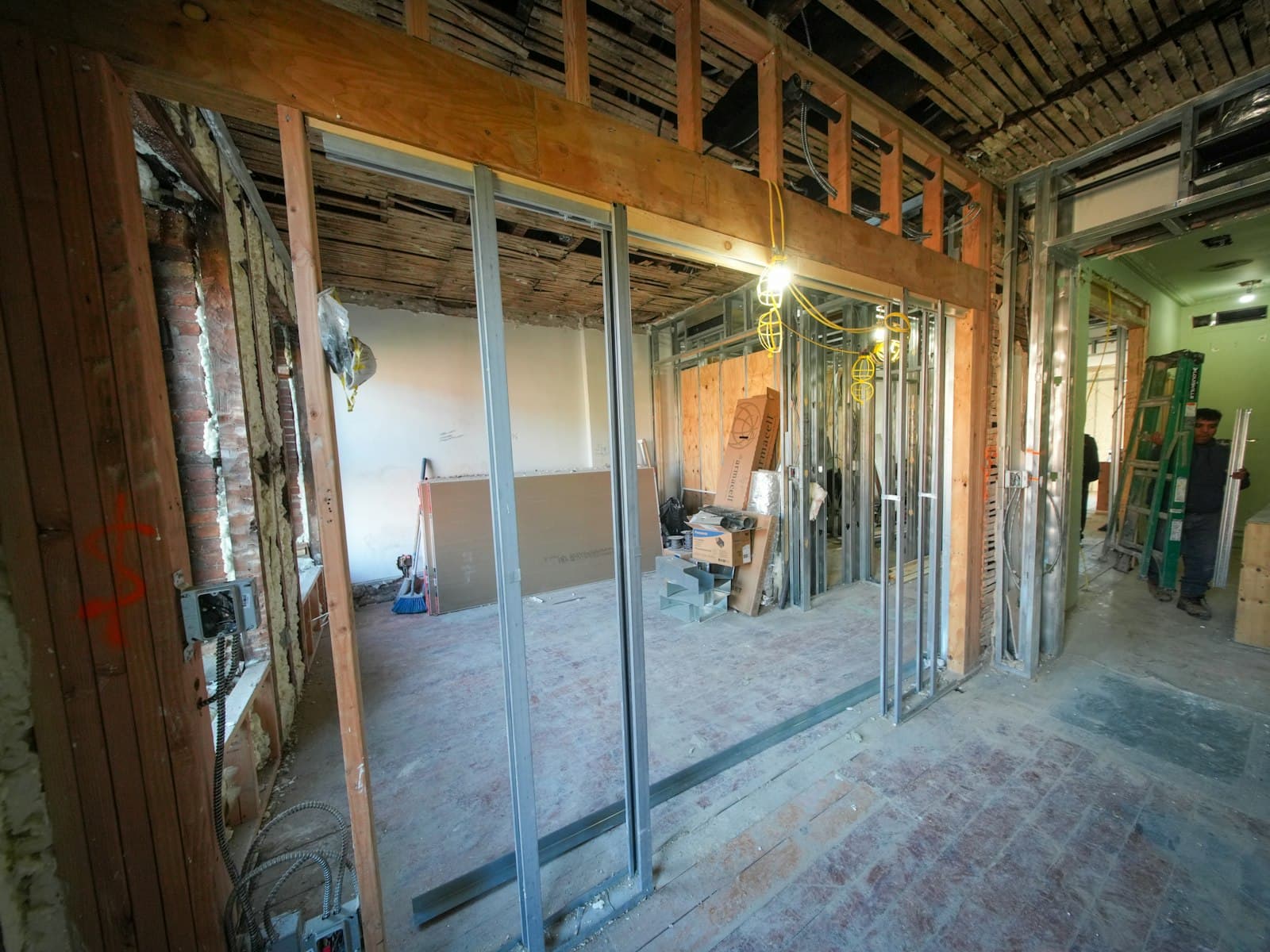
Interior renovation with exposed beams and framing
Photo: Olek Buzunov on Unsplash

The short answer

A typical Connecticut remodel runs about $21,600 to $32,900 on the state's calculator. Remodelers register with DCP as Home Improvement Contractors; builders of new homes register separately as New Home Construction Contractors. A remodeling contract you can enforce must be written, signed, dated and carry start and completion dates, and shoreline towns may add coastal site plan review.

Registrations
Home Improvement Contractor for remodels; New Home Construction Contractor for new houses
Guaranty Fund
Up to $25,000 for home improvement; up to $30,000 for new homes
Typical project
About $21,600 to $32,900 (Connecticut calculator default)
Typical cost
$21,600 – $32,900
Tracked on Tavlee
258 general contractors in Greater Hartford

A general contractor in Connecticut might be finishing a basement in Glastonbury, adding a second floor to a cape in Farmington, gutting a two-family in New Haven, or raising a beach cottage in Clinton. The state treats those jobs differently depending on one question: is the contractor improving a home that already exists, or building a new one?

Remodel or new house: which registration applies

Connecticut keeps two separate registrations with the Department of Consumer Protection:

  • Home Improvement Contractor (HIC). For repairs, remodels, additions and alterations to an existing home, under the Home Improvement Act (CGS chapter 400).
  • New Home Construction Contractor. For building a new home from the ground up, under CGS chapter 399a, Sec. 20-417b.

Both appear on eLicense. A builder who does both kinds of work often holds both. Check the one that matches your job. If you're tearing a house down and building new, ask which registration the builder is working under, because it decides which protections apply to you.

To register for home improvement work, the contractor pays a $120 application fee and $100 a year to the Guaranty Fund, and has to show at least $20,000 in general liability insurance. Sales staff can be registered too, as home improvement salesmen.

What makes a remodeling contract enforceable against you

The Home Improvement Act sets out what a contract needs before a contractor can hold you to it. Under Sec. 20-429(a), the agreement must:

  1. be in writing and contain the entire agreement;
  2. be signed by you and the contractor, and dated;
  3. give the contractor's name, address and registration number;
  4. include notice of your cancellation rights;
  5. state a starting date and a completion date;
  6. be entered into by a registered contractor or salesman; and
  7. disclose any other contracting businesses the contractor has used in the past five years.

That last item is easy to miss. It lets you look up the contractor's earlier companies, not only the current one, on eLicense and in court records.

The contractor must give you a completed copy when you sign, and every change order must also be written and signed. On a big remodel, where something unexpected turns up behind most walls, insist that each change is priced and signed before the work on it starts.

Checking the remodeler's earlier companies

Because the contract has to list the contracting businesses behind it for the past five years, you get a short research list for free. Use it before you sign:

  • Look up each business name, not only the current one, on eLicense. An expired or revoked registration under an old name is worth asking about.
  • Search the state's court records for each name. A string of collection suits from suppliers or subcontractors tells you how the contractor pays its bills.
  • Ask for three references from finished jobs of a similar size within the last two years, and call them. Ask whether the job finished near the completion date on the contract, and how change orders were handled.
  • Ask who the site supervisor will be and how often the owner of the company will be on your job.

A contractor who balks at the five-year disclosure is refusing a part of the contract the law requires.

What a GC should open up first in an older house

About four in ten Connecticut homes were built before 1960. On a gut renovation of a Waterbury two-family, a Manchester cape or a farmhouse in Woodbury, the contractor should plan for what that age implies:

  • Lead paint in any home built before 1978, which means lead-safe practices and an EPA-certified renovation firm for disturbed painted surfaces.
  • Old wiring and undersized service, which the electrician will need to price once walls are open.
  • Materials from the asbestos era, such as old pipe insulation or floor tile, which may need testing before demolition.

Ask the contractor to write a short list of known unknowns into the contract, each with an allowance or a rule for how it will be priced if found.

Pacing the payments on a five-figure job

There's no deposit cap in Connecticut law. DCP's guidance on contracting is that an up-front payment should generally stay at or under a third of the project, followed by three or four payments tied to progress, and that you should never pay in cash.

For a $30,000 kitchen-and-bath project, that might look like a first payment at signing, one when rough plumbing and electrical pass inspection, one when cabinets and tile are in, and a final payment after the last inspection and your punch list. Tie each payment to something you can see.

When the work is on the shoreline

Thirty-six towns, from Greenwich to Stonington, sit in Connecticut's statutory coastal area, including river towns such as Essex and Deep River. Under the Coastal Management Act (CGS chapter 444), work in these towns may need coastal site plan review before the zoning and building permits, and the coastal boundary follows the 100-year coastal flood zone.

The state's planning assumptions are worth knowing before you add on near the water. DEEP's sea level rise page gives a planning scenario of Long Island Sound standing about 20 inches (0.5 meters) higher by 2050. On a lot in Guilford, Madison or Westport, that's a reason to ask the contractor about elevation, flood vents and where mechanical equipment will sit.

A general contractor who works the shoreline regularly will know the town's zoning office and how long coastal review takes. Ask how many projects they've taken through it.

Who pulls the permit on a remodel

Each town's building official issues permits and must act within 30 days of an application. Only the owner or the owner's authorized agent may apply, and the official can't issue a permit to a contractor who should be registered and isn't (CGS Sec. 29-263). DCP puts it plainly: pulling the permit is ultimately the homeowner's responsibility. Write the answer to "who files" into the contract, along with who pays the fees and who schedules the inspections.

If the contractor walks away

The Home Improvement Guaranty Fund can pay up to $25,000 to a homeowner who has a court judgment or a court-confirmed arbitration award against a registered contractor and can't collect. The work has to be on a residence of up to six units, a condo or a co-op, and priced over $200. You apply within two years of the judgment. If the judgment came from Superior Court rather than small claims, a marshal has to try to collect first. DCP says most qualified claims are paid within about 24 weeks. In 2025 the fund paid out $3 million.

New home construction isn't covered by that fund. A new-home buyer has a separate fund, up to $30,000 under Sec. 20-417i, and a parallel written-contract rule in Sec. 20-417k.

Remodel budgets from Darien to East Lyme

The calculator's default for a typical remodel is $21,600 to $32,900, on a state factor of about 94% of Greater Boston. Size your own project on the Connecticut general contractor cost page. Expect Darien, Greenwich and Westport quotes at the top of that band and quotes in East Lyme, Waterford or the quiet corner at the bottom.

What does a remodeling project cost in Connecticut?

Most remodeling projects in Connecticut run $21,600 – $32,900. Adjust the estimate for your job in the general contractor cost guide.

Top-rated general contractors in Greater Hartford

These are the strongest general contractors on the evidence: reviews and public mentions weighed across sources, every claim linked to where it was found. Rankings can't be bought.

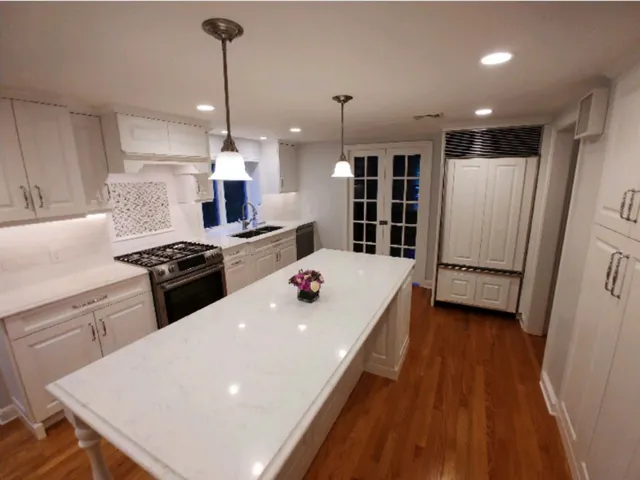
K&A Remodeling LLC work photo
License verified

K&A Remodeling LLC

Full bathroom rebuilds, demolition through finish carpentry5.0

JKM Carpentry LLC work photo
License verified

JKM Carpentry LLC

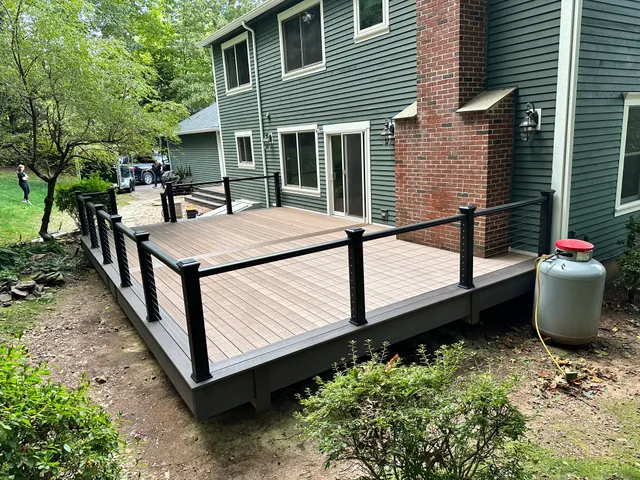
Deck builds5.0

McNally's Modern Maintenance, LLC work photo
License verified

McNally's Modern Maintenance, LLC

1966 split-level remodeled top to bottom4.9

See all 258 general contractors in Greater Hartford

Hiring general contractors in Connecticut: your questions

Do general contractors in Connecticut need a license?
Most home-improvement work in Connecticut calls for a registered home-improvement contractor. Ask for the license number and look it up with the Connecticut Department of Consumer Protection (www.elicense.ct.gov) before you sign. Connecticut's Home Improvement Act (CGS 20-429) makes a contract unenforceable against you unless it is in writing, signed by both sides, dated, shows the contractor's registration number, a start date and a completion date, and your cancellation rights; the Home Improvement Guaranty Fund pays up to $25,000 per claim to a homeowner harmed by a registered contractor.
How much does a general contractor charge in Connecticut?
The state calculator's default for a typical remodeling project is about $21,600 to $32,900. Additions, full gut renovations and anything in Fairfield County's higher-priced towns run above that; smaller jobs in eastern Connecticut can come in under it.
How much should I pay up front?
Connecticut doesn't cap deposits by law. The Department of Consumer Protection recommends that the first payment generally be no more than a third of the project, followed by three or four payments tied to finished stages, and none of it in cash.
Is building a new house covered by the Home Improvement Guaranty Fund?
No. New home construction is excluded from the home improvement fund. Buyers who contract for a new home have a separate fund under the New Home Construction Contractors Act, which can pay up to $30,000, and their own written-contract rules.
What is a home improvement salesman registration?
Connecticut registers salespeople who sell home improvement work, not only the contractors. The law says a contract must be entered into by a registered contractor or salesman, so the person across your kitchen table should have a record on eLicense too.

Sources

  • CT eLicense: license and registration lookup
  • CGS chapter 400: Home Improvement Act
  • CGS chapter 399a: New Home Construction Contractors
  • CT DCP: Home Improvement Guaranty Fund
  • CT DCP: contracting and working with a home improvement contractor
  • CGS chapter 444: Coastal Management Act
  • CT DEEP: sea level rise
  • CGS chapter 541: building permits

More guides

In other states: Greater Boston · North Shore · Greater Worcester · South Shore · Cape Cod · Western Massachusetts · Maine · New Hampshire · Vermont · Greater Providence

Other trades in Connecticut: Plumbers · Electricians · HVAC Contractors · Roofers · Bathroom Remodelers · Kitchen Remodelers · Window, Siding & Gutter Contractors · Fence Contractors · Landscapers · Painters · Waterproofing Contractors · Handymen · Carpenters · Flooring Contractors · Exterminators · Home Inspectors · Movers · House Cleaners · Pool Cleaners · Masonry Contractors

All Connecticut hiring guides →

  • Painters in Greater Hartford
  • Waterproofing Contractors in Greater Hartford
  • Handymen in Greater Hartford
  • Carpenters in Greater Hartford
  • Flooring Contractors in Greater Hartford
  • Exterminators in Greater Hartford
  • Home Inspectors in Greater Hartford
  • Movers in Greater Hartford
  • House Cleaners in Greater Hartford
  • Pool Cleaners in Greater Hartford
  • Masonry Contractors in Greater Hartford
  • General Contractors nearby

    • General Contractors in Greater Boston
    • General Contractors in Merrimack Valley
    • General Contractors in North Shore
    • General Contractors in MetroWest
    • General Contractors in Greater Worcester
    • General Contractors in South Shore
    • General Contractors in Southeastern Massachusetts
    • General Contractors in South Coast
    • General Contractors in Cape Cod
    • General Contractors in Greater Nashua
    • General Contractors in Greater Providence
    • General Contractors in Greater Springfield
    • General Contractors in Greater Portland
    • General Contractors in Greater Manchester
    • General Contractors in The Berkshires
    • General Contractors in Seacoast
    • General Contractors in Lakes Region & Central NH
    • General Contractors in Monadnock & Upper Valley
    • General Contractors in North Country
    • General Contractors in South County
    • General Contractors in East Bay & Newport
    • General Contractors in Greater Hartford
    • General Contractors in Greater New Haven
    • General Contractors in Fairfield County
    • General Contractors in Eastern Connecticut
    • General Contractors in Litchfield Hills
    • General Contractors in Southern Maine
    • General Contractors in Lewiston-Auburn & Western Maine
    • General Contractors in Midcoast & Mid-Maine
    • General Contractors in Bangor & Downeast
    • General Contractors in Aroostook County
    • General Contractors in Champlain Valley
    • General Contractors in Central Vermont
    • General Contractors in Northeast Kingdom
    • General Contractors in Southern Vermont
    • General Contractor cost in Greater Hartford
    • Guide to hiring general contractors in Connecticut
    © 2026 Tavlee Inc. All rights reserved.AboutPress & MediaGuidesBlogPrivacyTermsSupport Center

    Ratings weighed across every source · state-license verified · citations you can open.