Tavlee
Coverage map
  • Explore
  • Saved
  • Log in
Tavlee
Coverage map
Tavlee

A trustworthy directory of home contractors — every claim sourced, licenses verified, rankings that can't be bought.

Trades in Greater Hartford

  • Plumbers in Greater Hartford
  • Electricians in Greater Hartford
  • HVAC Contractors in Greater Hartford
  • Roofers in Greater Hartford
  • General Contractors in Greater Hartford
  • Bathroom Remodelers in Greater Hartford
  • Kitchen Remodelers in Greater Hartford
  • Window, Siding & Gutter Contractors in Greater Hartford
  • Fence Contractors in Greater Hartford
  • Landscapers in Greater Hartford

Hiring guide · Connecticut

Hiring a Flooring Contractor in Connecticut: Flood-Damaged Floors, Sanding Dust and Written Scope

By Tavlee · Published November 3, 2026

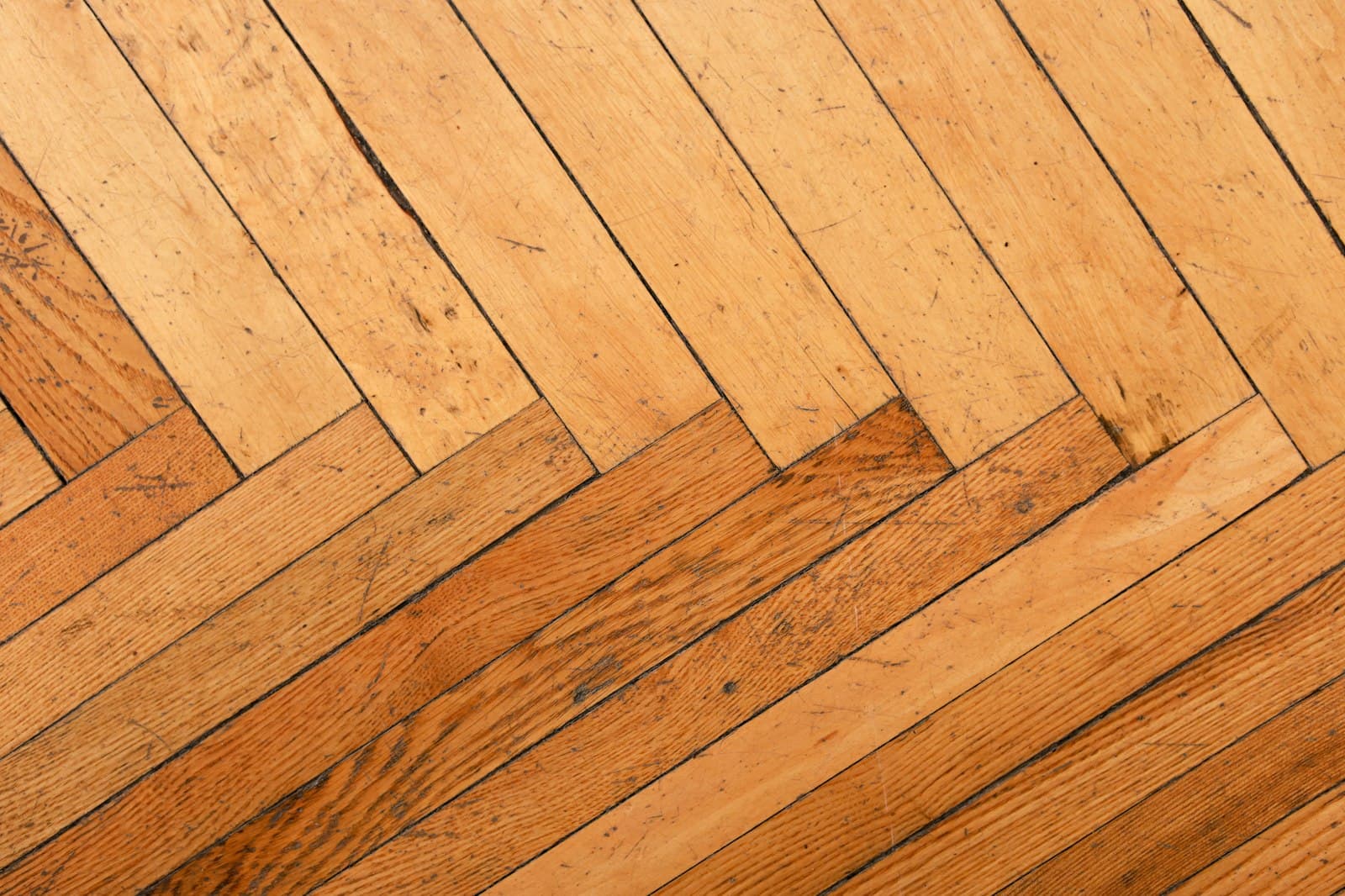
A herringbone hardwood floor
Photo: Alex Cooper on Unsplash

The short answer

A typical Connecticut flooring job costs about $5,650 to $9,000. The Home Improvement Act names flooring among home improvement work, so ask an installer for an HIC registration on eLicense. Homes flooded on September 13, 2026 in Fairfield, New Haven and Litchfield counties can apply for SBA disaster loans, and sanding floors in a pre-1978 house raises lead dust.

Credential
Home Improvement Contractor registration (flooring is named in CGS Sec. 20-419)
Flood aid
SBA loans up to $500,000 for a primary home, $100,000 for belongings (Sept. 13, 2026 floods)
Typical job
About $5,650 to $9,000 (Connecticut calculator default)
Typical cost
$5,650 – $9,000
Tracked on Tavlee
311 flooring contractors in Greater Hartford

The flash flooding of September 13, 2026 put water into basements and first floors across three Connecticut counties, from Stamford and Danbury through the Naugatuck Valley to New Milford and Kent. For many owners this winter, hiring a flooring contractor isn't a design choice; it's the last step in drying out a house. For everyone else, the questions are the familiar ones: refinish or replace, which material, and who does the work.

After the September 13 floods: what aid covers

On October 6, 2026, the governor announced an SBA disaster declaration for the September 13 flash flooding in Fairfield, New Haven and Litchfield counties (Governor's release). That makes low-interest federal disaster loans available to homeowners there:

  • up to $500,000 to repair or replace a primary residence, which includes floors and subfloors;
  • up to $100,000 to replace personal property, such as furniture and rugs.

Practical steps before you sign with a flooring contractor:

  • Photograph the damage and keep samples of the ruined flooring until the insurer or the SBA has what it needs.
  • Make sure the subfloor and framing are truly dry. New flooring over damp plywood will cup, buckle or grow mold. Ask the contractor to take moisture readings and write them down.
  • Find out whether any mold remediation is needed first. The Home Improvement Act lists water and storm restoration and mold remediation as home improvement work, so the company doing it needs the same registration as any other contractor.
  • Be wary of crews from out of state who arrive after a storm. Check the registration before you pay a deposit.
  • Get a written estimate that separates removal, drying, subfloor repair and the new floor. Insurers and lenders often want to see each part on its own line, and it makes comparing two contractors' numbers much easier.

Owners in Ansonia, Derby, Seymour, Beacon Falls and Naugatuck, along the rivers, and in the low parts of Bethel and Brookfield, are likely to be dealing with this through the winter.

Why the installer's state registration matters on a floor job

The statute that defines home improvement in Connecticut lists flooring alongside roofs, siding, windows and waterproofing, for any job on a residence over $200 (CGS Sec. 20-419). There's no separate flooring license, so the person or company laying your floor ought to appear as a registered Home Improvement Contractor on eLicense. Ask for it, and if a store sells you the floor and subcontracts the installation, ask who the installer is and check them too.

Sanding dust in a house built before 1978

Refinishing hardwood is one of the best values in flooring, but in an older house it raises the question of lead. Floors, and especially the painted borders, stair treads, thresholds and baseboards around them, may carry lead paint or finishes from before 1978. Connecticut's Department of Public Health warns homeowners about the dust from disturbing old paint, and a firm that disturbs painted surfaces in a pre-1978 home needs certification under EPA's Renovation, Repair and Painting program.

Ask a refinisher:

  • Do you use dust-containment sanders with HEPA vacuums?
  • How will you seal off the rooms and the heating registers?
  • How do you handle painted stair risers, borders and baseboards?
  • What cleanup do you do at the end?

The answers matter most in households with young children.

Floors in Connecticut houses, from city to hill town

Each part of the state has its typical flooring job:

  • City two- and three-families in Hartford, New Haven and Bridgeport often have original oak or maple under carpet or vinyl. Uncovering and refinishing it is common, but expect patches where walls moved or radiators sat.
  • Postwar capes and ranches in Oxford, Stratford and the first-ring suburbs often have strip oak on a plank subfloor. Squeaks and gaps are usually fixable without replacement.
  • Basements anywhere in the state call for materials that tolerate moisture. In flood-prone towns, that means vinyl or tile over a slab, not carpet or solid wood.
  • Antique farmhouses in the Litchfield Hills, around Kent and New Milford, may have wide pine boards that are thin from two centuries of wear. Refinishing them takes a light touch and a specialist.

Tile, subfloors and the bounce test

Tile is the least forgiving floor. A ceramic or stone floor laid over a subfloor that flexes will crack along the grout lines within a year or two, and older Connecticut houses often have joists that were sized for carpet, not stone. Before you choose tile for a kitchen, bathroom or entry, ask the installer to check the floor:

  • Deflection. Whether the floor bounces when someone walks across it, and whether the joists need sistering or blocking.
  • Underlayment. What goes between the subfloor and the tile: cement board, an uncoupling membrane, or a mortar bed.
  • Flatness. How high spots and dips will be corrected, because large-format tile shows every one.
  • Heat. Whether you want electric radiant mats under the tile, and who wires the thermostat. That wiring is a licensed electrician's job.

Wood and vinyl tolerate more movement than tile, but a soft spot near a toilet or a dishwasher usually means water damage underneath. Have the installer open it up and price the repair before the new floor goes down.

Timing a floor around a sale or a move

Spring is the busy season for floors, because owners refinish or replace before listing and before moving in. If you're selling in Fairfield County, where the market follows the school year and the commuter calendar, book the floor work well before photos are scheduled. Refinishing hardwood usually means staying off the floor for a few days, and furniture can't go back on fresh finish for longer.

What the flooring contract should spell out

For a home improvement contract to be enforceable against you in Connecticut, it has to be written down and signed and dated by both parties, carry the installer's name, address and registration number, set a starting date and a completion date, and include the notice of your cancellation rights. For flooring, add:

  • the product name, line and color, and the square footage, including waste;
  • subfloor preparation: leveling, repair of damaged areas, moisture testing;
  • removal and disposal of old flooring, and of any glue or tack strip;
  • transitions to other rooms, baseboard and shoe molding;
  • moving furniture and appliances, and who reconnects a dishwasher or refrigerator line.

The Department of Consumer Protection's consumer page is where to start if something goes wrong, and the Guaranty Fund can pay up to $25,000 toward a court judgment you can't collect from a registered contractor.

Flooring budgets this winter, with flood demand in the west

The calculator puts a typical flooring job at $5,650 to $9,000. Estimate your own rooms on the Connecticut flooring cost page. Fairfield County installers tend to quote higher, and after the September floods, demand there may push wait times and prices up through the winter.

What does a hardwood floor cost in Connecticut?

Most flooring projects in Connecticut run $5,650 – $9,000. Adjust the estimate for your job in the flooring contractor cost guide.

Top-rated flooring contractors in Greater Hartford

These are the strongest flooring contractors on the evidence: reviews and public mentions weighed across sources, every claim linked to where it was found. Rankings can't be bought.

The Tile Guys LLC work photo
License verified

The Tile Guys LLC

Precise tile work5.0

K&A Remodeling LLC work photo
License verified

K&A Remodeling LLC

Full bathroom rebuilds, demolition through finish carpentry5.0

ZN Construction work photo
License verified

ZN Construction

Entire first floor opened up in one remodel5.0

See all 311 flooring contractors in Greater Hartford

Hiring flooring contractors in Connecticut: your questions

Do flooring contractors in Connecticut need a license?
Connecticut generally doesn't license flooring installation as its own trade, but installing a floor is home-improvement work under the state's contractor registration, so ask for the registration number. Jobs that go beyond the finished floor — subfloor repairs or structural work — are construction work that can require a registered contractor. Connecticut's Home Improvement Act (CGS 20-429) makes a contract unenforceable against you unless it is in writing, signed by both sides, dated, shows the contractor's registration number, a start date and a completion date, and your cancellation rights; the Home Improvement Guaranty Fund pays up to $25,000 per claim to a homeowner harmed by a registered contractor.
How much does new flooring cost in Connecticut?
Connecticut's calculator default for a typical flooring job is about $5,650 to $9,000. Vinyl plank and laminate in a few rooms sit near the bottom; site-finished hardwood, tile on a new subfloor, or a whole floor of a house push past the top.
My floors were ruined by the September 2026 flooding. Is there help?
The SBA disaster declaration for the September 13, 2026 flash floods covers Fairfield, New Haven and Litchfield counties. Homeowners can apply for low-interest loans of up to $500,000 to repair a primary residence and up to $100,000 for personal property.
Can I refinish old hardwood floors instead of replacing them?
Often. Solid hardwood can usually be sanded and refinished several times. Ask the refinisher to check the thickness above the tongue, water damage and loose boards first, and in a house built before 1978, to explain how they'll control the sanding dust.
How long should new flooring acclimate before installation?
It depends on the product, so follow the manufacturer's instructions. Solid wood usually needs time in the house with the heat or air running before it is installed. Ask the installer to check the moisture of the wood and the subfloor and record the readings.

Sources

  • CGS chapter 400: Home Improvement Act
  • CT eLicense: license and registration lookup
  • Governor Lamont: SBA disaster declaration for September 13 flooding
  • CT DPH: lead poisoning prevention for homeowners
  • EPA: Renovation, Repair and Painting program
  • CT DCP: home improvement for consumers
  • CT DCP: Home Improvement Guaranty Fund

More guides

In other states: Greater Boston · North Shore · Greater Worcester · South Shore · Cape Cod · Western Massachusetts · Maine · New Hampshire · Vermont · Greater Providence

Other trades in Connecticut: Plumbers · Electricians · HVAC Contractors · Roofers · General Contractors · Bathroom Remodelers · Kitchen Remodelers · Window, Siding & Gutter Contractors · Fence Contractors · Landscapers · Painters · Waterproofing Contractors · Handymen · Carpenters · Exterminators · Home Inspectors · Movers · House Cleaners · Pool Cleaners · Masonry Contractors

All Connecticut hiring guides →

  • Painters in Greater Hartford
  • Waterproofing Contractors in Greater Hartford
  • Handymen in Greater Hartford
  • Carpenters in Greater Hartford
  • Flooring Contractors in Greater Hartford
  • Exterminators in Greater Hartford
  • Home Inspectors in Greater Hartford
  • Movers in Greater Hartford
  • House Cleaners in Greater Hartford
  • Pool Cleaners in Greater Hartford
  • Masonry Contractors in Greater Hartford
  • Flooring Contractors nearby

    • Flooring Contractors in Greater Boston
    • Flooring Contractors in Merrimack Valley
    • Flooring Contractors in North Shore
    • Flooring Contractors in MetroWest
    • Flooring Contractors in Greater Worcester
    • Flooring Contractors in South Shore
    • Flooring Contractors in Southeastern Massachusetts
    • Flooring Contractors in South Coast
    • Flooring Contractors in Cape Cod
    • Flooring Contractors in Greater Nashua
    • Flooring Contractors in Greater Providence
    • Flooring Contractors in Greater Springfield
    • Flooring Contractors in Greater Portland
    • Flooring Contractors in Greater Manchester
    • Flooring Contractors in The Berkshires
    • Flooring Contractors in Seacoast
    • Flooring Contractors in Lakes Region & Central NH
    • Flooring Contractors in Monadnock & Upper Valley
    • Flooring Contractors in North Country
    • Flooring Contractors in South County
    • Flooring Contractors in East Bay & Newport
    • Flooring Contractors in Greater Hartford
    • Flooring Contractors in Greater New Haven
    • Flooring Contractors in Fairfield County
    • Flooring Contractors in Eastern Connecticut
    • Flooring Contractors in Litchfield Hills
    • Flooring Contractors in Southern Maine
    • Flooring Contractors in Lewiston-Auburn & Western Maine
    • Flooring Contractors in Midcoast & Mid-Maine
    • Flooring Contractors in Bangor & Downeast
    • Flooring Contractors in Aroostook County
    • Flooring Contractors in Champlain Valley
    • Flooring Contractors in Central Vermont
    • Flooring Contractors in Northeast Kingdom
    • Flooring Contractors in Southern Vermont
    • Flooring Contractor cost in Greater Hartford
    • Guide to hiring flooring contractors in Connecticut
    © 2026 Tavlee Inc. All rights reserved.AboutPress & MediaGuidesBlogPrivacyTermsSupport Center

    Ratings weighed across every source · state-license verified · citations you can open.