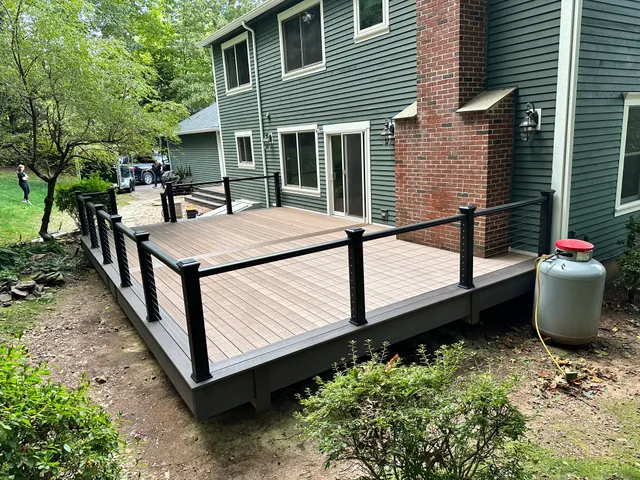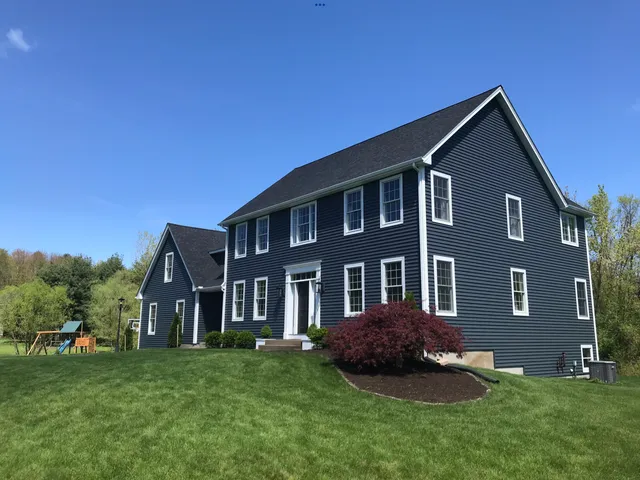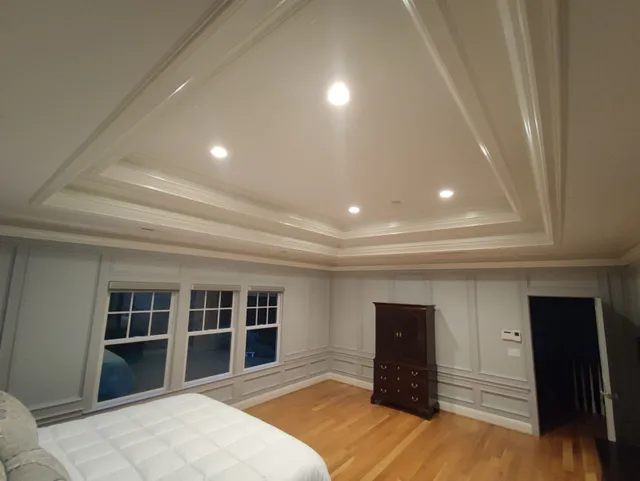
Carpentry in Connecticut covers a lot of ground: rebuilding the front porch of a Willimantic mill house, framing a deck off a raised ranch in Wolcott, running new crown molding in a Berlin colonial, or rebuilding a rotten stair stringer in a Plainville two-family. Most of it falls under the same state law, and much of it needs a permit from the town.
Porches, decks and additions under the Home Improvement Act
The Home Improvement Act lists porches, garages and sunrooms among its examples of home improvement, and it covers any repair, alteration or addition to a residence priced over $200 (CGS Sec. 20-419). Decks, stairs, railings, trim and built-ins sit inside that definition. The carpenter you hire should therefore be registered as a Home Improvement Contractor; search for the record on eLicense.
The registration doesn't measure skill, so ask for photos of finished decks or porches, and an address you can drive past. A carpenter proud of the work will have both.
What Bridgeport's permit list shows about deck rules
There's no state deck permit. Each town's building official issues permits, and state law says no building may be altered or added to until one is issued (CGS Sec. 29-263). Bridgeport's building department is unusually specific about it: its building permit page says a permit is required to erect or repair decks, along with pools, fences over 7 feet and retaining walls over 3 feet.
Other towns handle the paperwork their own way, but expect a permit for any new deck and for porch rebuilds. A permitted deck gets an inspection of the footings before concrete is poured and of the framing before decking covers it. Those are the two parts of a deck that fail.
The application has to come from the owner or the owner's agent. DCP advises writing who pulls the permit into the contract, since the responsibility rests with the homeowner in the end. A town also can't issue a permit to a contractor who is required to register and hasn't.
Mill-village porches from Willimantic to Putnam
Windham County's mill towns grew up around the textile industry. Willimantic, in the town of Windham, was "Thread City", home to the American Thread Company, whose old headquarters is now a textile museum. Rows of mill-worker houses run from there to Putnam, Killingly and the villages of Brooklyn and Canterbury. Many have wood porches, front and back, sometimes stacked two high on multi-family houses.
Rebuilding one of those porches is classic Connecticut carpentry, and the hidden work is what costs money:
- Footings. Old porches often sit on stone piers or wood posts set in dirt. New footings below the frost line are usually part of a permitted rebuild.
- The ledger. Where the porch frame attaches to the house, rot is common. The carpenter should open it up and show you.
- Railings and stairs. Old railings are often too low and balusters too far apart for current code, which a rebuild may have to meet.
- Upper porches. On stacked porches, the framing carries people one story up. Ask how the carpenter will support it during the work.
Trim, stairs and built-ins in older houses
Interior carpentry in older houses is slow, exact work. In a 1920s colonial in Milford or Orange, or an antique farmhouse in Harwinton, Hebron or Marlborough, nothing is square or plumb. Matching old molding profiles may mean custom knives or a millwork shop, and a stair rebuild may need to keep the original newel and balusters.
If the house was built before 1978, cutting or removing painted trim disturbs paint that may contain lead. EPA's Renovation, Repair and Painting rule applies to that, so the company needs its lead-safe firm certificate. Ask how the carpenter will contain dust when removing old trim, and whether they'll save pieces to match. Built-ins are a separate skill again: a bookcase or window seat scribed to a wavy plaster wall takes a finish carpenter, not a framer, so ask to see one they've built and how they finished the ends against the wall. The price difference between a framing crew and a finish carpenter is real, and so is the result.
Cancelling a deck contract after the salesperson leaves
Deck companies often sell in the evening, at your kitchen table, with a seasonal discount. Connecticut's rules slow that down. Under the Home Improvement Act, a deck contract counts as a home solicitation sale even if you signed it at the company's office, and the Home Solicitation Sales Act then gives you three business days to cancel. In Connecticut, Saturday counts toward the three. The notice belongs near your signature, with a separate cancellation form, and DCP says work shouldn't start until the period has run.
Also check before signing that the contract names a start date and a completion date, carries the carpenter's registration number, and is signed and dated by both of you. If it doesn't, the law won't let the contractor enforce it against you.
Rotten sills, window trim and the question of repair
Carpenters in older Connecticut houses spend a lot of time on rot: the sill beam where the house meets the foundation, the bottom of door frames, window sills and the corner boards behind a leaking gutter. Rot rarely stops where it shows.
Before a carpenter starts cutting, agree on how they'll handle what they find:
- They open a test area and show you how far the rot goes before pricing the rest.
- Small areas are repaired with epoxy or a dutchman patch; long runs are replaced with new wood primed on all sides.
- The cause, usually water, is named in writing, along with who will fix it (often a gutter or roofing contractor).
- Any added work beyond the first estimate goes on a signed change order with its price.
On an antique house, ask whether the carpenter can save original material. A good repair often costs less than replacement and keeps the house looking like itself.
When to book
Deck and porch builders book spring and summer first, so the best time to get quotes for a spring build is the winter before. Interior trim and built-in work is easier to schedule in winter, when exterior crews are slow.
Materials and the frame underneath
The decking is what you see; the frame is what matters. Ask each carpenter to specify:
- footing type, size and depth;
- post, beam and joist sizes and spacing;
- how the ledger attaches to the house, and how it's flashed;
- decking and railing materials, including the fasteners;
- stairs, landings and any lighting (lighting circuits belong to a licensed electrician).
Deck and trim budgets from Fairfield County to Plymouth
The calculator's default for a typical carpentry project is $7,300 to $13,600. Work out your own job on the Connecticut carpentry cost page. Expect quotes near the top in Fairfield County, and nearer the bottom in Windham County and the Northwest Hills around Plymouth.